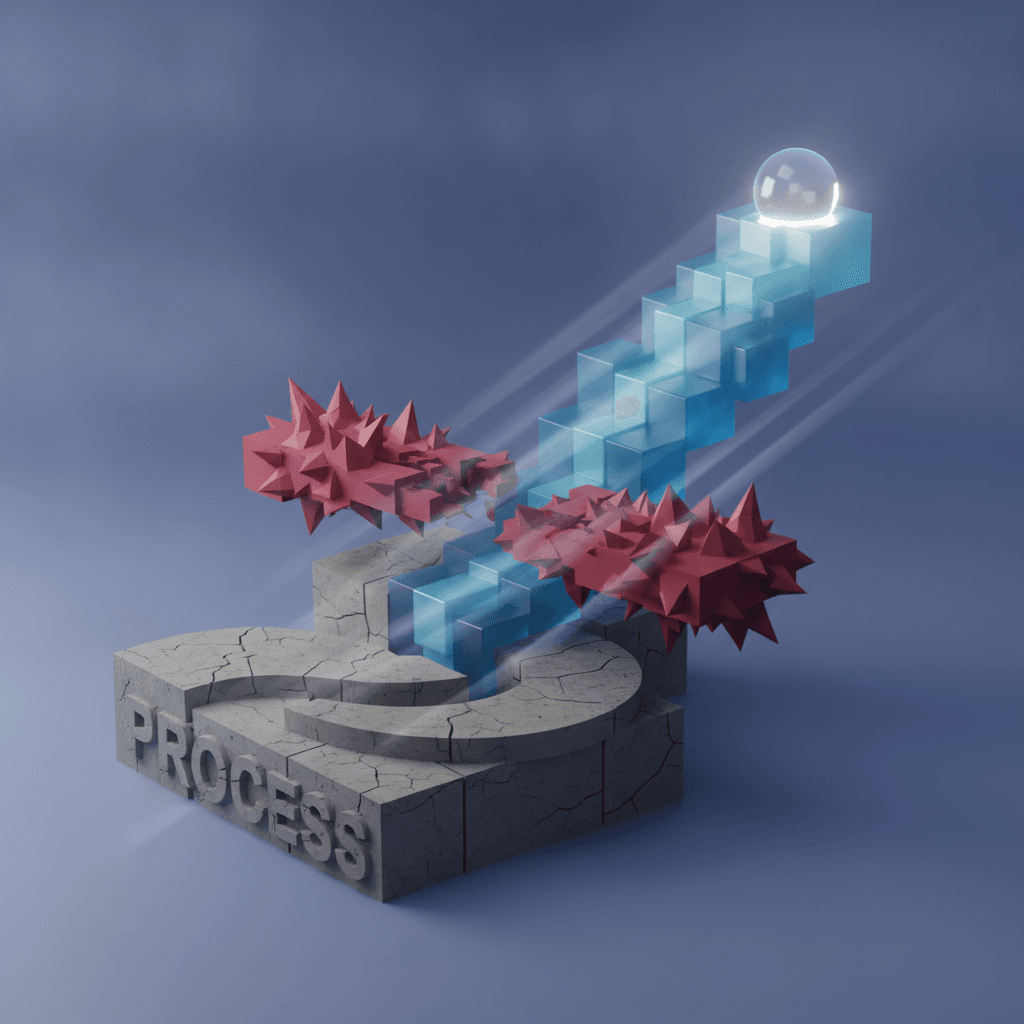
For web designers and developers, the initial phase with a new client—onboarding—sets the tone for the entire project. It's more than just paperwork; it's about establishing trust, clarity, and a solid foundation for collaboration. Yet, this crucial step often becomes a source of friction, leading to delays, misunderstandings, and a less-than-ideal start for both parties. A truly frictionless onboarding process is a guided path, a clear roadmap that anticipates client needs and simplifies their journey into your workflow.
Imagine a process where clients feel understood, informed, and excited, rather than overwhelmed by questions or confused by next steps. This isn't just about making things easier for them; it significantly benefits your business by reducing administrative burden, minimizing scope creep, and ensuring projects kick off with maximum efficiency. By intentionally designing this guided path, you transform a necessary formality into a strategic asset that enhances your professional reputation and fosters stronger client relationships from day one.
Deconstructing Friction: What Makes Onboarding Difficult?
Before we can build a smoother path, we need to understand the common roadblocks. Friction in onboarding often arises from unclear communication, redundant information requests, or a lack of transparency about the process ahead. Clients might feel lost if they don't know what to expect, what they need to provide, or when certain milestones will occur. From the freelancer’s perspective, chasing down missing information or repeatedly explaining the same steps consumes valuable time and energy that could be better spent on creative work.
Typical pain points include clients submitting incomplete forms, failing to grasp the project timeline, or not understanding their responsibilities in the initial discovery phase. This back-and-forth can quickly erode enthusiasm and create an impression of disorganization, even if your actual design and development work is exceptional. Identifying these specific points of resistance is the first critical step toward designing a truly guided, frictionless experience.
Mapping Your Existing Onboarding Journey
The best way to identify areas for improvement is to visualize your current onboarding process. Take a step back and map out every interaction point, from the initial inquiry to the project kickoff meeting. Consider what information you gather, what documents you share, and what actions the client needs to take at each stage. This exercise helps you see the journey from the client's perspective and pinpoint where confusion or delays might occur. Don't just think about what you *do*; think about what the *client experiences*.
Documenting each step allows you to identify redundancies, missing links, or areas where communication could be clearer. Are clients receiving too much information at once, or not enough at crucial junctures? Are there steps that could be automated or combined? This mapping process provides a baseline for your improvements and reveals opportunities to introduce clarity and efficiency.
- Initial client inquiry and contact.
- Sending of proposal or service agreement.
- Contract signing and initial payment processing.
- Welcome kit delivery (if applicable).
- Onboarding questionnaire or discovery form submission.
- Scheduling and conducting the kickoff meeting.
- Granting access to project management tools.
Crafting Your Guided Path: Principles of Clarity and Automation
A guided path is built on principles of proactive communication, clear expectations, and smart automation. Start by breaking down complex onboarding into smaller, manageable steps. Each step should have a clear purpose and an explicit call to action for the client. Think about creating a dedicated 'welcome portal' or a series of automated emails that walk clients through the process, explaining what's next and what they need to do.
Automation plays a pivotal role here. Tools can handle sending welcome emails, sharing questionnaires, setting up project spaces, and even scheduling kickoff calls, freeing you to focus on strategic client interactions. However, balance automation with personalization. While automated systems handle the routine, ensure there are still opportunities for human connection, demonstrating that you value their business beyond mere transactions. The goal is to make the process feel effortless for the client, not impersonal.
Essential Components of a Frictionless Onboarding System
To create a robust system, you'll need several key components working in harmony. A comprehensive welcome kit, whether digital or physical, can provide all necessary information upfront, including your process overview, contact details, FAQs, and what to expect. This helps manage expectations and answers common questions before they even arise. Think about a concise, visually appealing document that can be easily referenced.
Next, a structured onboarding questionnaire or discovery form is crucial for gathering project-specific details. Design this form to be intuitive and comprehensive, ensuring you collect all necessary information without overwhelming the client. Consider using conditional logic to present only relevant questions. Finally, clear communication channels, whether a dedicated project management platform or a single point of contact, prevent fragmented conversations and ensure all project stakeholders are on the same page.
Communicating Expectations and Building Trust
Effective communication is the bedrock of a successful client relationship and a frictionless onboarding. From the very first interaction, clearly articulate your process, timelines, and what you expect from the client. This includes outlining deliverables, revision cycles, payment schedules, and how you prefer to communicate. When clients understand the 'rules of engagement' upfront, there are fewer surprises and greater trust.
Beyond the logistics, use onboarding as an opportunity to build rapport. A brief, personalized video message in a welcome email or a thoughtful check-in can make a big difference. Show genuine interest in their project and their business goals. This human element, combined with a highly organized process, reinforces your professionalism and reassures clients that they've made the right choice in partnering with you.
Iterate and Refine: Your Onboarding Journey is Evolving
Designing a guided path for client onboarding isn't a one-time task; it's an ongoing process of refinement. After each project, take time to review your onboarding experience. What went well? Where did clients get stuck? Did any questions repeatedly come up? Gather feedback directly from clients if possible, or simply observe common patterns and challenges. Use this insight to tweak your forms, update your welcome materials, or adjust your communication sequence.
As your business grows and your services evolve, so too should your onboarding process. Embrace a mindset of continuous improvement, viewing every project as an opportunity to make the next client's journey even smoother. A truly frictionless onboarding system is one that adapts, ensuring that your first impression is always your best, laying a strong foundation for successful projects and lasting client relationships.
Sources & Further Reading
- What is User Experience (UX) Design? — Interaction Design Foundation
- Cognitive load — Wikipedia
- 10 Usability Heuristics for User Interface Design — Nielsen Norman Group
- Project management — Wikipedia
- What is a User Journey Map? — Interaction Design Foundation