The web design landscape is a dynamic tapestry, constantly evolving with new ideas, tools, and aesthetics. Every year brings a fresh wave of visual styles, interaction patterns, and technological approaches that promise to revolutionize how we build for the web. For designers, makers, and developers, navigating this ever-changing environment can feel like walking a tightrope between innovation and stability.
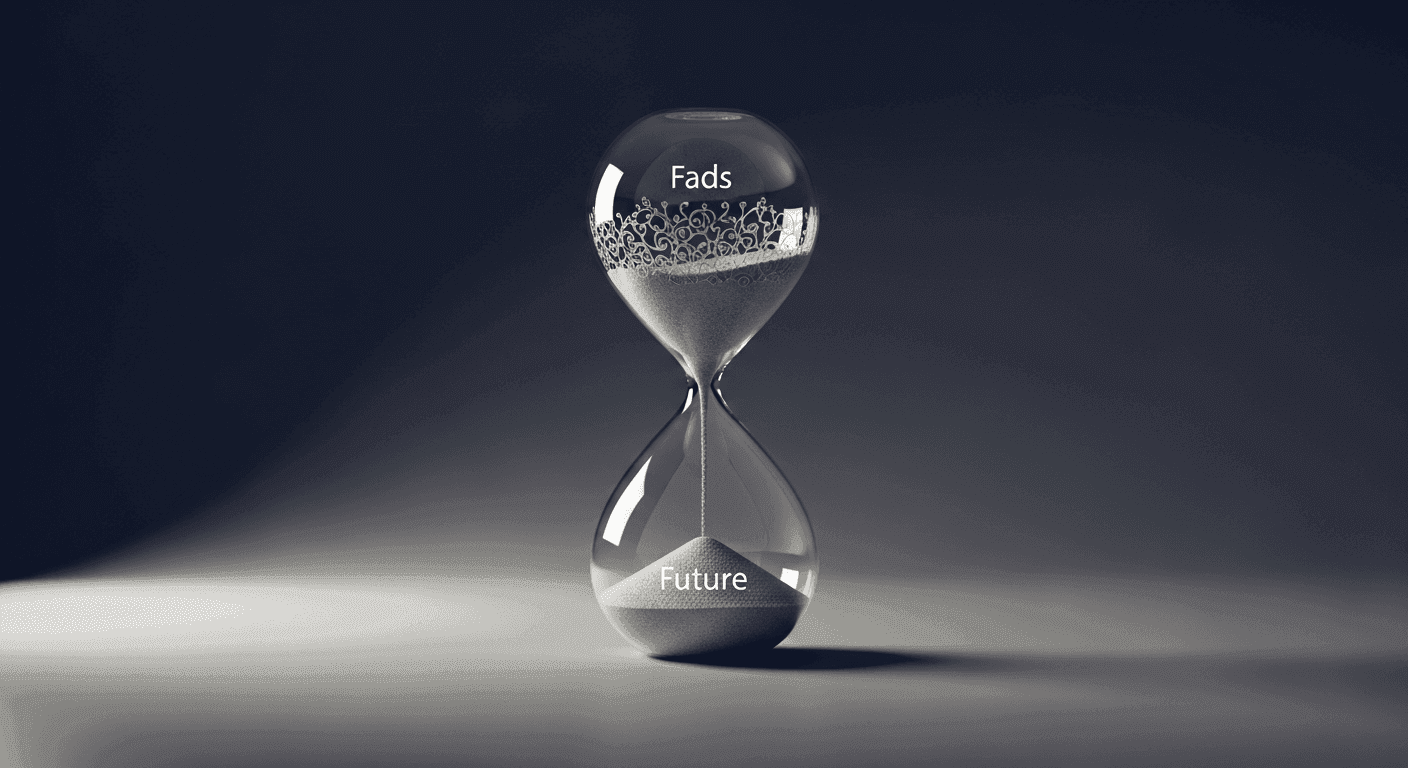
Amidst this exciting flux, a crucial challenge emerges: how do we distinguish between a fleeting fad that will vanish as quickly as it appeared, and a genuine trend that offers lasting value and shapes the future of the internet? Understanding this difference isn't just about staying current; it's about making informed decisions that lead to more robust, user-friendly, and future-proof websites.
The Lure of Novelty vs. Timeless Principles
Newness has an undeniable appeal. Fresh visual styles, innovative animations, and novel interaction patterns often capture attention and generate buzz. However, true longevity in web design rarely stems from mere novelty. Instead, it's rooted in how well a new approach aligns with or enhances the fundamental principles that underpin effective web experiences: usability, accessibility, performance, and clear communication. A fad often prioritizes flash over function, offering a temporary visual delight without significant functional improvement.
When evaluating a new design trend, consider its deeper implications. Does it genuinely make a website easier to use, more accessible to a wider audience, faster to load, or clearer in its message? If a trend complicates navigation, hinders readability, adds unnecessary bloat, or creates barriers for users with disabilities, it's likely a short-lived stylistic choice rather than a foundational shift. Enduring trends, by contrast, find ways to innovate within these principles, making the web better for everyone.
User Experience as the Ultimate Litmus Test
At the heart of any lasting web design trend lies a tangible benefit to the user experience. Trends that fade quickly often do so because they fail to genuinely improve how users interact with and perceive a website. They might look impressive initially but prove cumbersome, confusing, or simply irrelevant to the user's goals in the long run. A genuine trend, conversely, streamlines user journeys, enhances clarity, or provides a more intuitive and satisfying interaction.
To assess a trend's potential longevity, put it through a rigorous UX lens. Ask critical questions about how it impacts your target audience. Does it simplify complex tasks? Does it reduce cognitive load? Does it make content more digestible? Does it foster a sense of trust or delight that isn't superficial? If the answer is a resounding yes, and these improvements are measurable or observably beneficial, then the trend has a strong foundation for endurance. If it's merely cosmetic or adds friction, its shelf life will be limited.
- Does this trend genuinely solve a user problem or improve a common interaction?
- Will it remain intuitive and understandable for new users over time?
- Does it enhance accessibility for users with diverse needs?
- Does it contribute positively to overall site performance and load times?
- Could it potentially alienate or confuse a segment of your target audience?
Adaptability and Scalability
Lasting web design trends are inherently adaptable and scalable. They don't lock you into a rigid framework that's difficult to modify or expand upon in the future. Instead, they offer flexible patterns or methodologies that can be integrated into diverse projects and grow alongside evolving content and user needs. Fads, on the other hand, often present as all-encompassing solutions that are difficult to customize, break easily with new content, or quickly become outdated as technology progresses.
Consider how a trend integrates with your existing tech stack and future development plans. Does it require a complete overhaul for every minor adjustment, or can it be implemented incrementally and scaled efficiently? Trends that promote modularity, component-based design, or adhere to open standards tend to have a longer lifespan because they empower designers and developers to build robust systems. A trend that demands significant, constant re-work or creates technical debt is a strong indicator of a fad rather than a sustainable practice.
The Role of Technology and Standards
Many enduring web design trends are not merely aesthetic preferences but are deeply intertwined with advancements in underlying technology and evolving web standards. Think about the move towards responsive design, which was driven by the proliferation of mobile devices and supported by CSS media queries. Or the increasing emphasis on performance optimization, fueled by user expectations and browser capabilities. These are not just styles; they are fundamental shifts enabled by the tools and platforms we use.
Distinguish between trends that are purely stylistic implementations of existing technology versus those that emerge directly from new technological capabilities or improvements in web standards. For instance, while certain visual effects might be trendy, if they rely on proprietary solutions or heavily compromise performance, they're less likely to last. Conversely, trends promoting better semantic HTML, improved CSS capabilities, or enhanced JavaScript APIs often signal a more fundamental and lasting evolution in web development practices, as they are built on open, accessible, and progressive foundations.
Strategic Adoption vs. Blind Following
Even with the ability to discern lasting trends from fleeting fads, the approach to adoption remains crucial. Blindly following every new development can lead to inconsistent user experiences, technical debt, and a website that looks dated faster than necessary. Instead, a strategic approach involves critical evaluation, thoughtful experimentation, and selective integration. Not every lasting trend is right for every project, and careful consideration of your specific audience and goals is paramount.
Embrace a mindset of continuous learning and cautious optimism. Experiment with new ideas on smaller projects or in isolated components. Analyze user feedback and performance metrics rigorously. Adopt trends that genuinely enhance your project's objectives and user value, rather than simply chasing novelty. By understanding the principles behind lasting trends and applying them judiciously, you can build a web presence that is both modern and enduring, effectively future-proofing your design decisions.
Sources & Further Reading
- 10 Usability Heuristics for User Interface Design — Nielsen Norman Group
- UX Laws — Interaction Design Foundation
- Core Web Vitals — web.dev
- User-centered design — Wikipedia