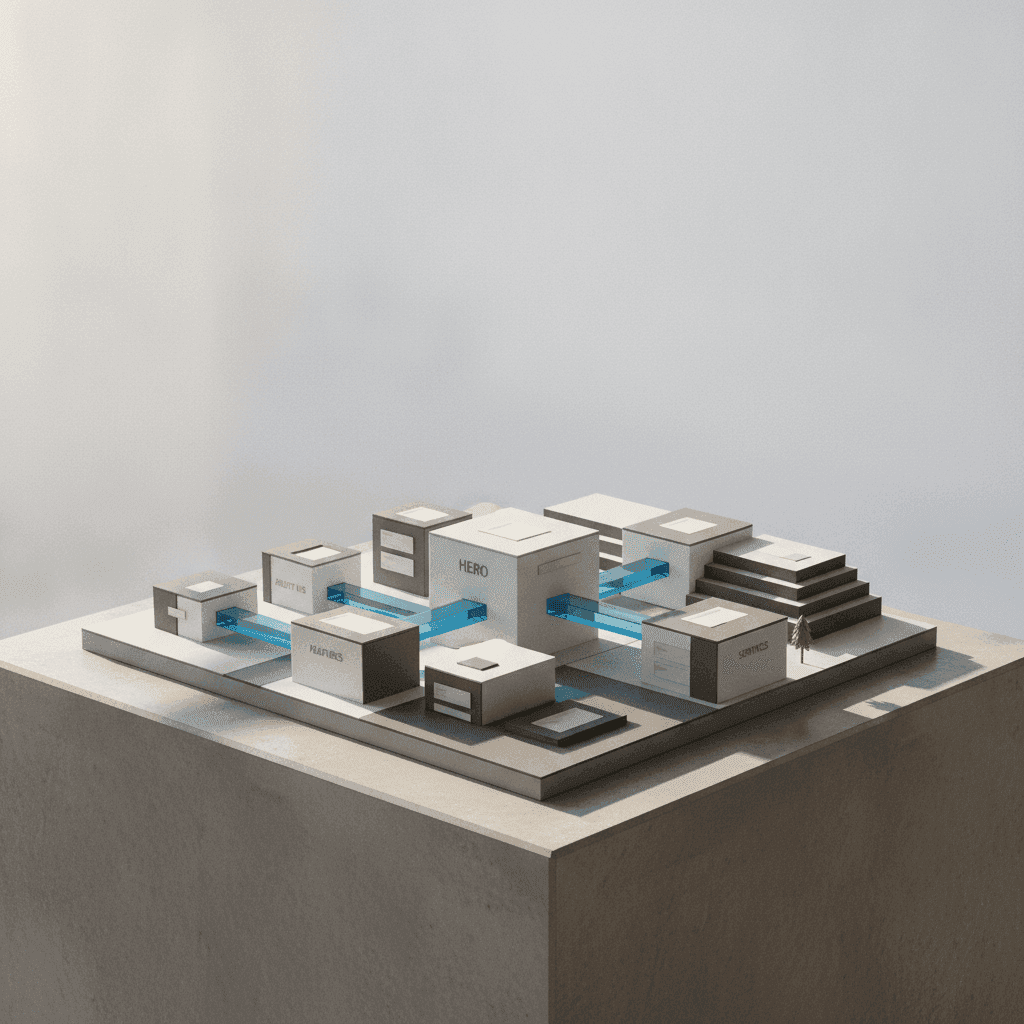
For designers, makers, and developers in the web space, a project proposal is far more than just a price list. It's the blueprint of a future collaboration, a strategic document that outlines your understanding of a client's needs, your proposed solution, and the value you bring to their business. Think of it as the architectural plan for a building; without a solid, well-thought-out structure, the entire project is at risk of collapse.
Effective proposal architecture doesn't just present information; it builds a compelling case, fostering trust and demonstrating expertise. It guides the client through your thought process, making them feel understood and confident in your ability to deliver. Mastering this skill is crucial for securing projects, setting clear expectations, and ultimately, ensuring client buy-in and project success.
The Foundation: Understanding Client Needs
The cornerstone of any successful web project proposal is a deep, empathetic understanding of the client's business, challenges, and aspirations. Before you can propose a solution, you must fully grasp the problem. This isn't about what they *think* they want (e.g., a "cool new website"), but what they *truly need* to achieve their business objectives. This phase often involves a thorough discovery process.
Your proposal should reflect this understanding, demonstrating that you've listened intently and analyzed their situation. This is where active listening, asking probing questions, and identifying underlying pain points become invaluable. A proposal that opens by reiterating the client's challenges in their own words immediately establishes rapport and shows you're on their side.
- What specific problem does this project solve for your business?
- Who is your primary target audience for this website, and what are their needs?
- What are your measurable goals for the new site (e.g., leads, sales, engagement, efficiency)?
- What existing assets, content, or branding guidelines do you have?
- What does success look like for you, one year after the project launches?
- What is your internal decision-making process and timeline for this project?
Blueprint the Solution: Scope and Strategy
Once client needs are clear, the next step is to translate them into a concrete project scope and strategic approach. This section defines exactly what will be built, detailing features, functionalities, and any specific technologies. Crucially, it also clarifies what is *not* included, preventing scope creep and managing expectations from the outset. A well-defined scope acts as a contract, protecting both parties.
Beyond just listing features, explain the *why* behind your strategic choices. How will a particular CMS benefit their content management? Why is responsive design non-negotiable for their audience? Connect every proposed element back to the client's stated goals, showing how your solution directly addresses their challenges and drives their business forward. Consider outlining the project in phases to make complex projects seem more manageable and provide clear milestones.
Visualizing the Journey: Deliverables and Timeline
Clients want to see the tangible outputs of your work and understand the path to get there. This section of your proposal outlines the specific deliverables they can expect at each stage. Common deliverables might include wireframes, design mockups, a functional prototype, the developed website, content migration support, and post-launch training or support documentation.
Accompanying the deliverables should be a realistic and transparent project timeline. Break the project into key milestones, each with an estimated duration and client review points. Transparency about the project's duration and the time required for client feedback builds trust and helps manage expectations. Avoid aggressive timelines that might lead to burnout or compromise quality; it's better to under-promise and over-deliver.
The Financial Framework: Investment and Value
Presenting the financial investment is often the most sensitive part of a proposal, but by now, you've built a strong case for the value you offer. Frame your pricing not as a cost, but as an investment in their business's future success. Clearly break down the costs associated with each phase or major deliverable, providing transparency and helping the client understand where their money is going.
While specific numbers are off-limits here, consider explaining your pricing model (e.g., fixed-price for defined scope, value-based pricing, or a retainer for ongoing work). The goal is to justify your fees by reiterating the return on investment (ROI) they can expect—how your solution will save them money, generate more leads, increase sales, or improve operational efficiency. Show them that the value far outweighs the cost.
Terms of Engagement: The Professional Edge
A robust proposal also includes the essential terms and conditions that govern the working relationship. This section protects both you and the client by clearly outlining expectations. Key elements here include payment schedules, revision policies, intellectual property rights, communication protocols, and any agreed-upon support or maintenance post-launch. This ensures a professional and legally sound foundation for your collaboration.
While these might seem like dry details, presenting them clearly and concisely demonstrates your professionalism and foresight. It shows you've thought through potential scenarios and are committed to a smooth, ethical partnership. Don't bury these details; make them accessible and easy to understand, reinforcing confidence in your process and reliability.
Sealing the Deal: The Call to Action and Next Steps
Finally, every well-architected proposal needs a clear and compelling call to action. Don't leave the client wondering what to do next. Guide them with specific instructions, whether it's to schedule a follow-up call to discuss the proposal, sign and return a digital copy, or proceed with an initial deposit. Make the next step as easy as possible.
Reiterate your enthusiasm for their project and your confidence in achieving their goals. End on a high note that reinforces the partnership aspect and your commitment to their success. A strong closing statement should leave the client feeling excited about the possibilities and ready to embark on the journey with you, solidifying their buy-in and paving the way for a successful web project.
Sources & Further Reading
- Software development process — Wikipedia
- The Discovery Phase in UX Projects — Interaction Design Foundation
- Software architecture — Wikipedia
- The UX Design Process: An Overview — Interaction Design Foundation