Wireframing is a foundational step in web design, allowing us to sketch out the structure and functionality of a website or application before diving into visual design or development. It helps align stakeholders, identify potential issues early, and establish a clear blueprint for the user experience. However, a common pitfall is designing solely for the 'happy path' – the ideal, uninterrupted journey a user takes to complete a task. Real-world interactions are rarely so straightforward, making comprehensive wireframe states essential for a truly robust and intuitive product.
Anticipating and designing for every possible user action, system response, and unexpected scenario can seem daunting, but it's crucial for creating resilient digital experiences. This article will guide you through the process of moving beyond the linear 'happy path' to account for a wide array of user flow contingencies, ensuring your wireframes effectively communicate the full spectrum of interactions and states your interface will need to handle.
Understanding User Flows Beyond the Happy Path
A user flow maps out the steps a user takes to achieve a goal within your product. While the primary or 'happy' path shows the most direct and successful route, it represents only a fraction of potential interactions. Users might make mistakes, encounter errors, face access restrictions, or simply change their minds mid-process. Failing to design for these deviations leads to frustrating dead ends, confusing messages, or a broken experience altogether.
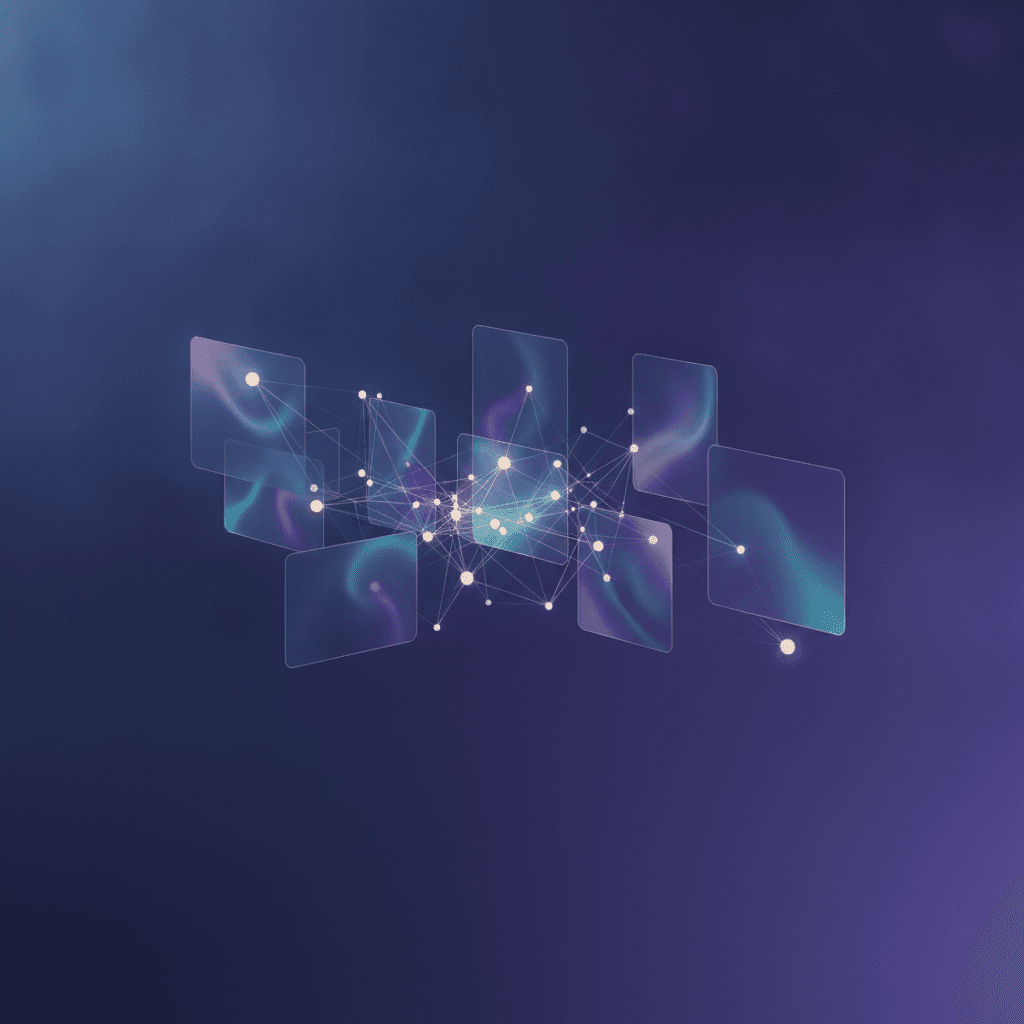
To design comprehensively, we must shift our mindset from a single linear journey to a network of interconnected possibilities. Each node in this network represents a potential state of the interface, influenced by user input, system conditions, or external factors. By visualizing these alternative paths in our wireframes, we can proactively address usability challenges and ensure a graceful recovery from less-than-ideal scenarios.
Identifying Key Contingencies and Edge Cases
The first step in designing comprehensive wireframe states is to systematically identify all potential contingencies and edge cases. This involves thinking critically about every interaction point and asking 'what if?' User stories, use cases, and persona development can be invaluable tools here, as they help you empathize with users and consider their diverse needs and potential missteps. Collaboration with developers, quality assurance testers, and even customer support teams can also uncover scenarios you might not have initially considered.
Categorizing these contingencies helps in organizing your design efforts. Think about different types of scenarios: user-generated errors, system-generated errors, empty states, permissions, loading states, and various success or failure messages. Each category demands a specific approach to its wireframe representation.
- User inputting invalid data (e.g., incorrect email format, password not meeting criteria).
- System encountering a network error or server timeout during data submission.
- Empty states for new users, filtered results with no matches, or a cart with no items.
- Permission denials for restricted content, features, or administrative actions.
- Long loading times or data retrieval delays that require feedback to the user.
- User abandoning a multi-step form midway or navigating away from an unsaved state.
Mapping States to Wireframes
Once contingencies are identified, the next step is to translate them into distinct wireframe states. This means creating separate wireframe views or modifications to existing ones for each significant deviation. For instance, if a user attempts to log in with an incorrect password, you'd have a wireframe showing the login form with an error message, perhaps highlighting the incorrect field. If a search yields no results, you'd show an empty state wireframe with suggestions or alternative actions.
Clearly label each wireframe state (e.g., 'Login - Invalid Password,' 'Search Results - No Matches,' 'Checkout - Payment Processing Error'). Use annotations to explain the trigger for each state and the expected user action or system response. This level of detail ensures that developers understand exactly what needs to be built and how the interface should behave under various conditions, minimizing assumptions and rework later in the development cycle.
Designing for Clarity and Feedback
The purpose of designing these comprehensive states is not just to cover all bases, but to guide the user effectively through any situation. This means designing for clear, concise feedback. When an error occurs, the user needs to understand what went wrong, why it happened, and how to fix it. Vague error messages like 'Something went wrong' are unhelpful and frustrating. Instead, specify the issue and provide actionable solutions directly within the wireframe.
Visual cues are equally important. Use distinct visual treatments for different states – perhaps a red border for an invalid input field, a spinner for a loading state, or an empty illustration for a blank canvas. These visual signals, combined with clear microcopy, empower users to recover from errors, understand delays, and navigate the interface with confidence, even when things don't go exactly as planned.
Iteration and Validation
Designing comprehensive wireframe states is an iterative process, not a one-time task. As you progress, new contingencies may emerge, or existing ones might require refinement. It's crucial to review your wireframes with project stakeholders, developers, and, most importantly, actual users. Conduct user testing with your wireframes, specifically observing how users react to and recover from various error states and unexpected scenarios.
Gather feedback on the clarity of your error messages, the intuitiveness of your recovery paths, and the overall usability of your alternative states. Use this feedback to iterate on your wireframes, making adjustments to improve the user experience. This continuous cycle of design, testing, and refinement ensures that your final product is not only functional but also resilient and truly user-friendly, capable of handling the unpredictable nature of real-world interactions.
Sources & Further Reading
- Wireframing — Interaction Design Foundation
- Error Prevention in UX Design — Nielsen Norman Group
- State (computer science) — Wikipedia
- UX Design Principles — Interaction Design Foundation
- Information architecture — Wikipedia